Research / Grants and projects / Battery waste to hydrogen catalysts
CompletedBattery waste to hydrogen catalysts
Recycling of waste battery materials into electrocatalysts for sustainable hydrogen production
What the project is about
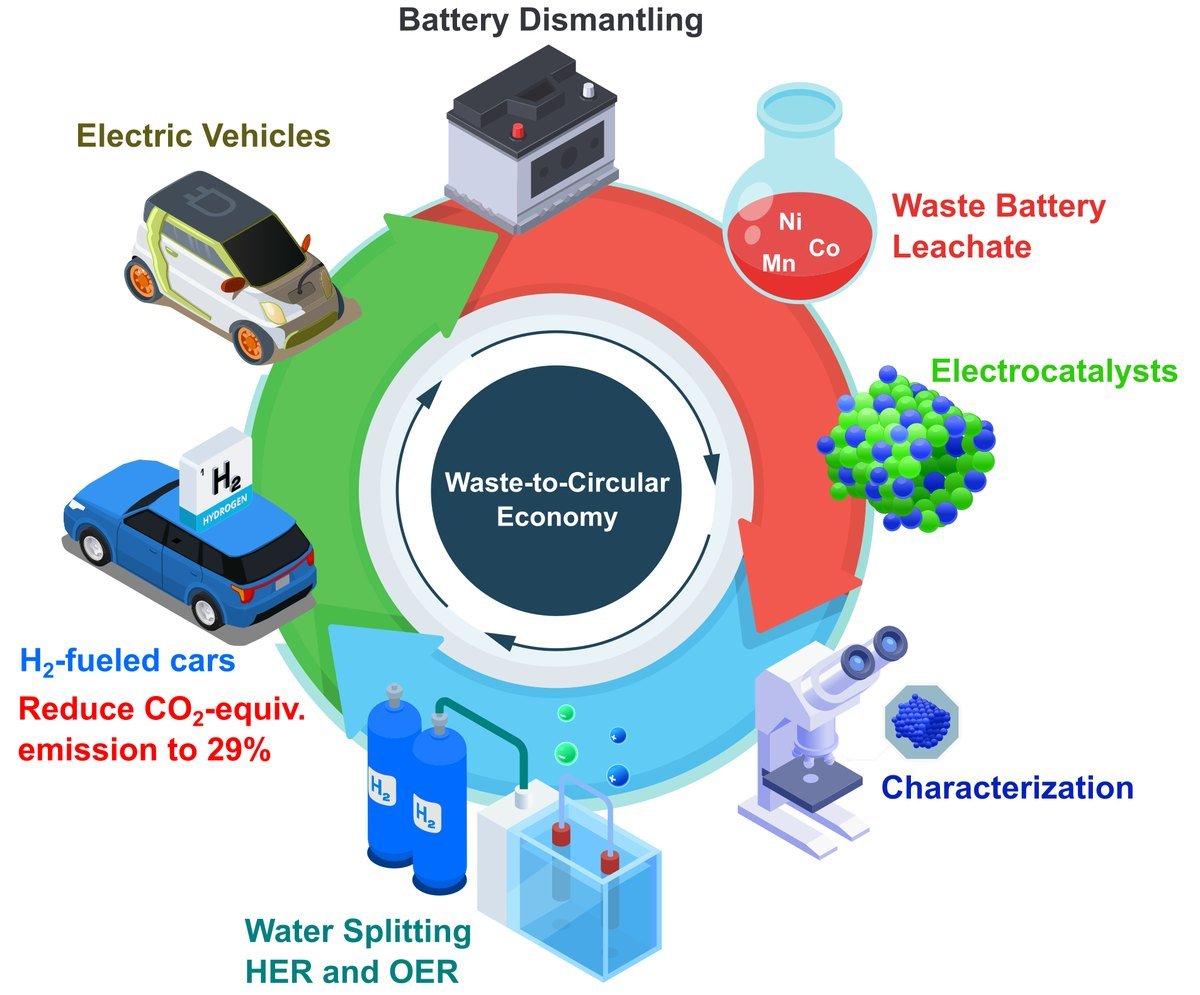
Battery technology drives the move to net-zero emissions, and electric vehicles are spreading fast, with projections cited in the report of 125 million by 2030 and 530 million by 2040. Their lithium-ion batteries rely on nickel, manganese, cobalt, and lithium, which are critical raw materials. Much of the waste is still not recycled, and the recovered nickel, manganese, and cobalt are hard to bring back to battery grade.
Hydrogen made by water electrolysis offers a clean energy carrier, and the report cites projections that hydrogen could cut Indonesia's emissions by more than 1,185 million tons of CO2 equivalent by 2030. Good electrolysis catalysts often use scarce platinum group metals. First-row transition metals such as nickel, cobalt, and manganese are promising alternatives, and spent battery cathodes are a cheap source of them. This project was the first step of our work on that idea.
Leach
Extract nickel, manganese, and cobalt from spent battery cathodes, with varying compositions.
Reduce
Turn the leachate into metal alloys, oxides, and layered hydroxides by controlled precipitation.
Test
Measure how well the catalysts split water at different pH, and how much hydrogen and oxygen they make.
Splitting water
Water electrolysis has two half reactions. Hydrogen forms at the cathode through the hydrogen evolution reaction (HER), and oxygen forms at the anode through the oxygen evolution reaction (OER). The reaction needs at least 1.23 V, and slow kinetics add an overpotential on top of that, so a good catalyst is what keeps the electricity demand down.
Many nickel, cobalt, and manganese catalysts work well only in alkaline electrolyte. The project therefore aimed at catalysts that stay stable across alkaline, neutral, and acidic conditions.
Recovering the metals
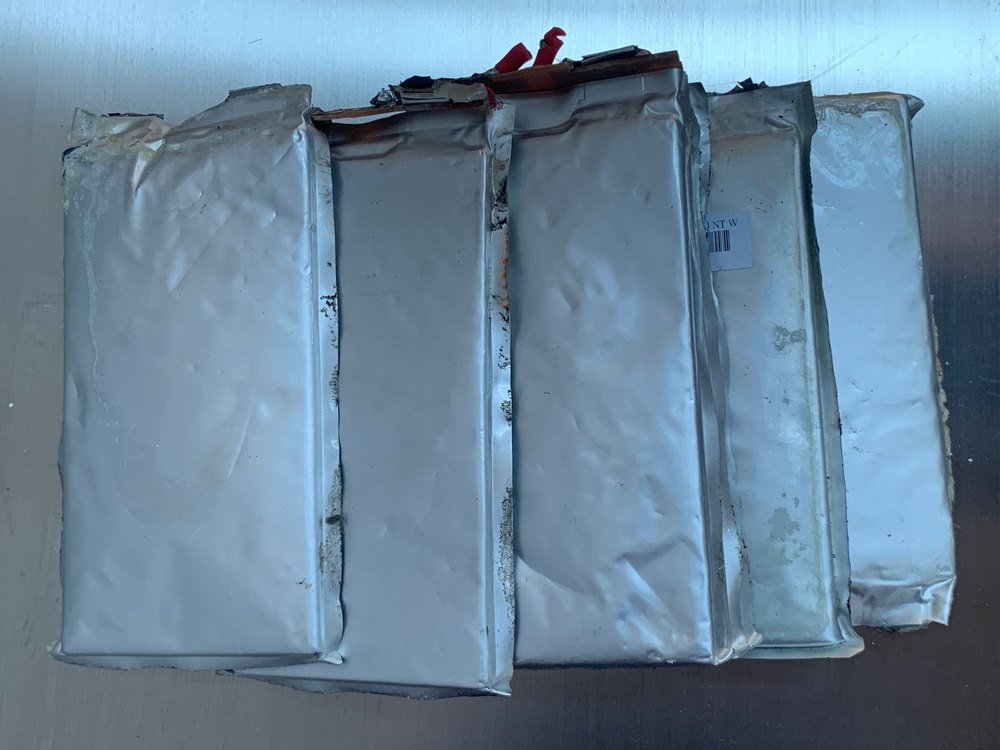
Spent lithium-ion batteries come from a local recycling hub. We measure their voltage, discharge them with an electronic load, and take them apart by hand into the shell, separator, current collectors, and electrode powder, following a pretreatment method covered by our registered patent application.
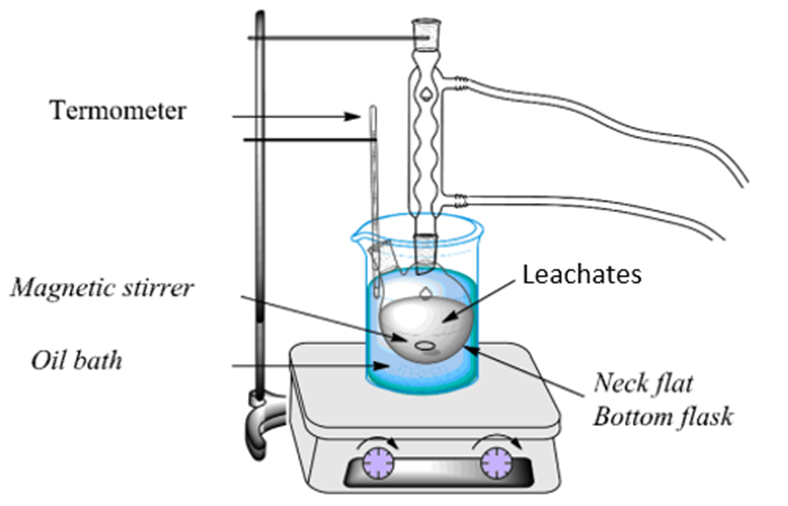
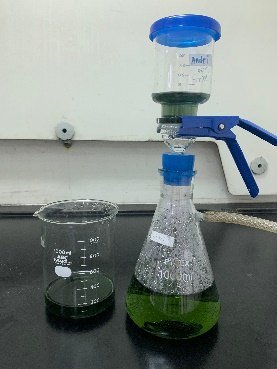
The cathode powder is sieved through 400 mesh and leached for 4 hours in dilute sulfuric acid. The resulting leachate holds lithium, aluminum, nickel, cobalt, and manganese, and becomes the precursor for the catalysts.
Nanomaterials synthesis and characterization
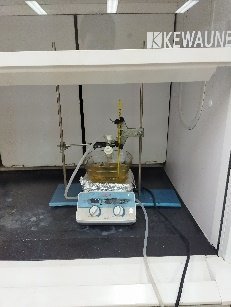
The catalysts are NiCo layered double hydroxides on carbon, made by precipitation from the leachate. Sodium dodecyl sulfate (SDS), kept below its critical micelle concentration, holds the metal ions apart and stops the particles from clumping. Sodium hydroxide precipitates the particles and sets the pH, the reaction runs under nitrogen so that the metals do not oxidize, and Vulcan XC-72 carbon adds conductivity. The SDS is washed out afterwards with water and ethanol.

The samples are characterized by X-ray diffraction (XRD), scanning electron microscopy (SEM-EDS), transmission electron microscopy (TEM), X-ray photoelectron spectroscopy (XPS), and ICP-MS, so that the structure of each catalyst can be linked to its activity. Nitrogen adsorption gives the surface area.
What we found
The pH of the synthesis decides what forms. XRD shows the typical hydrotalcite structure of NiCo layered double hydroxide below pH 11, while a different lithium cobalt phase appears above it. Samples made at pH 10 gave the lowest overpotential.
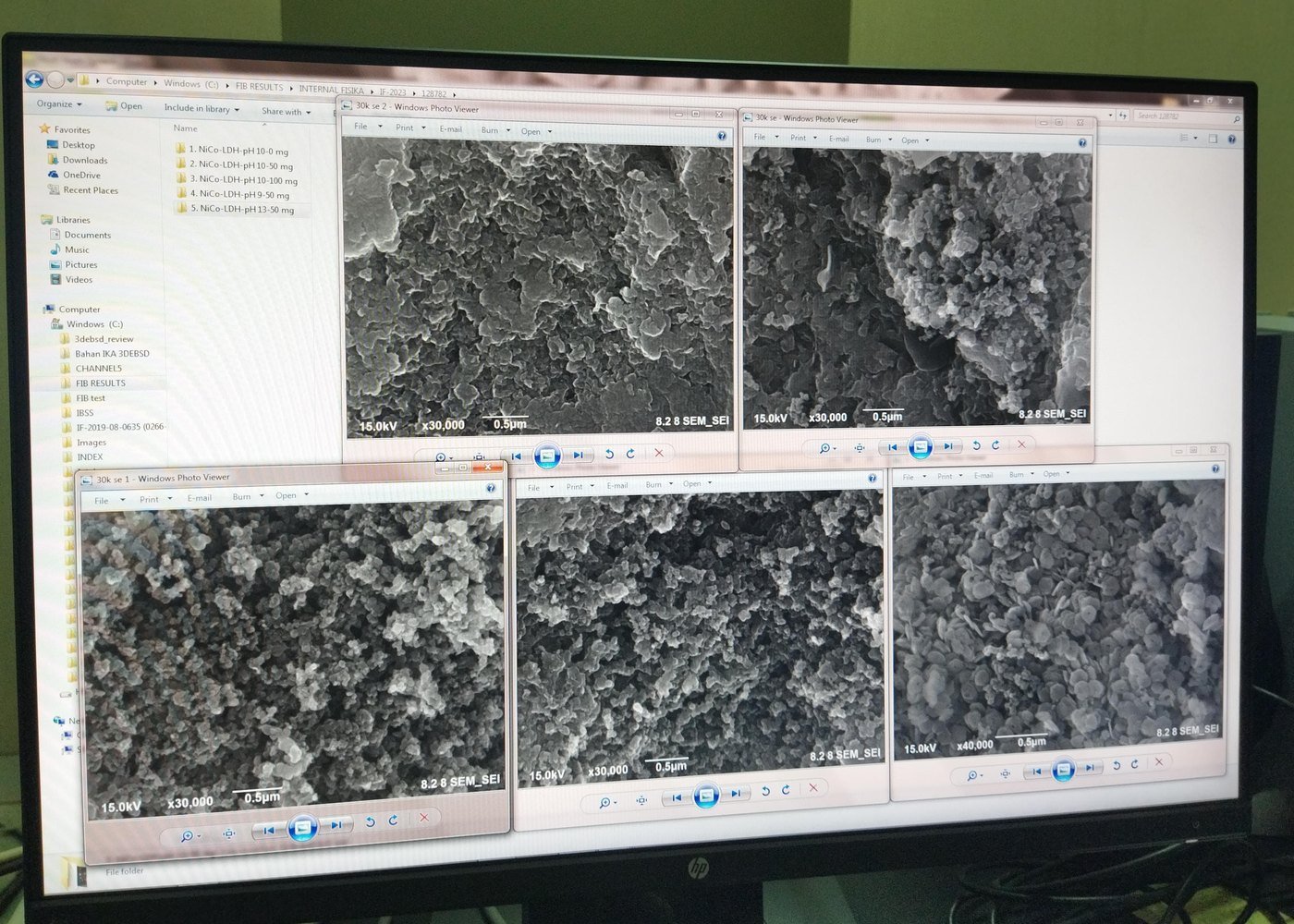
We then varied the amount of Vulcan carbon from 0 to 100 mg. The 50 mg sample gave the lowest overpotential and the lowest Tafel slope, which suggests the best balance between conductivity and active sites. FESEM shows particles of about 100 to 200 nm.
Electrochemical tests used a three-electrode cell with a glassy carbon working electrode, a platinum counter electrode, and an Ag/AgCl reference, with linear sweep and cyclic voltammetry, impedance spectroscopy, and galvanostatic tests.
Challenges and what came next
Optimizing the synthesis took several rounds of adjustment, and unexpected variation between batches delayed the catalyst tests. The hydrogen yield could not be measured during the project because the gas chromatograph was out of service. Gas analysis was planned at the Department of Chemical Engineering, ITB.
The plan after this grant was to register a patent on the NiCo layered double hydroxide on carbon synthesis, complete the characterization and performance tests, measure the real hydrogen output, and scale up. That work continued in Bat-HyBio and in the tandem tests at IRCELYON.
Project facts


Team
| Dr. Angga Hermawan | BRIN | Principal investigator |
| Dr. Sri Rahayu | BRIN | Leaching experiments |
| Dr. Ni Luh Wulan Septiani | BRIN | Electrochemical evaluation |
| Dr. Andri Hardiansyah | BRIN | Electrocatalyst synthesis |
| Hary Devianto, Ph.D. | Institut Teknologi Bandung | Hydrogen measurement |
| M. Dikdik Gumelar, M.T. | BRIN | Surface area characterization |
| Assoc. Prof. Muhammad Aziz | University of Tokyo | Supervision |
| Prof. Eniya Listiani Dewi | BRIN | Supervision |
Papers from this line of work
Quaternary layered double hydroxides from spent battery as electrocatalysts for the oxygen evolution reaction. International Journal of Hydrogen Energy 89, 254-263, 2024
Pictures
Part of one research line
Three grants have carried the same idea forward, from recovering battery metals to testing the catalysts made from them.
Interested in this project?
We welcome questions, joint work, and students who want to build on it.